
And I didn’t mean to get so good at finding your love leaks …
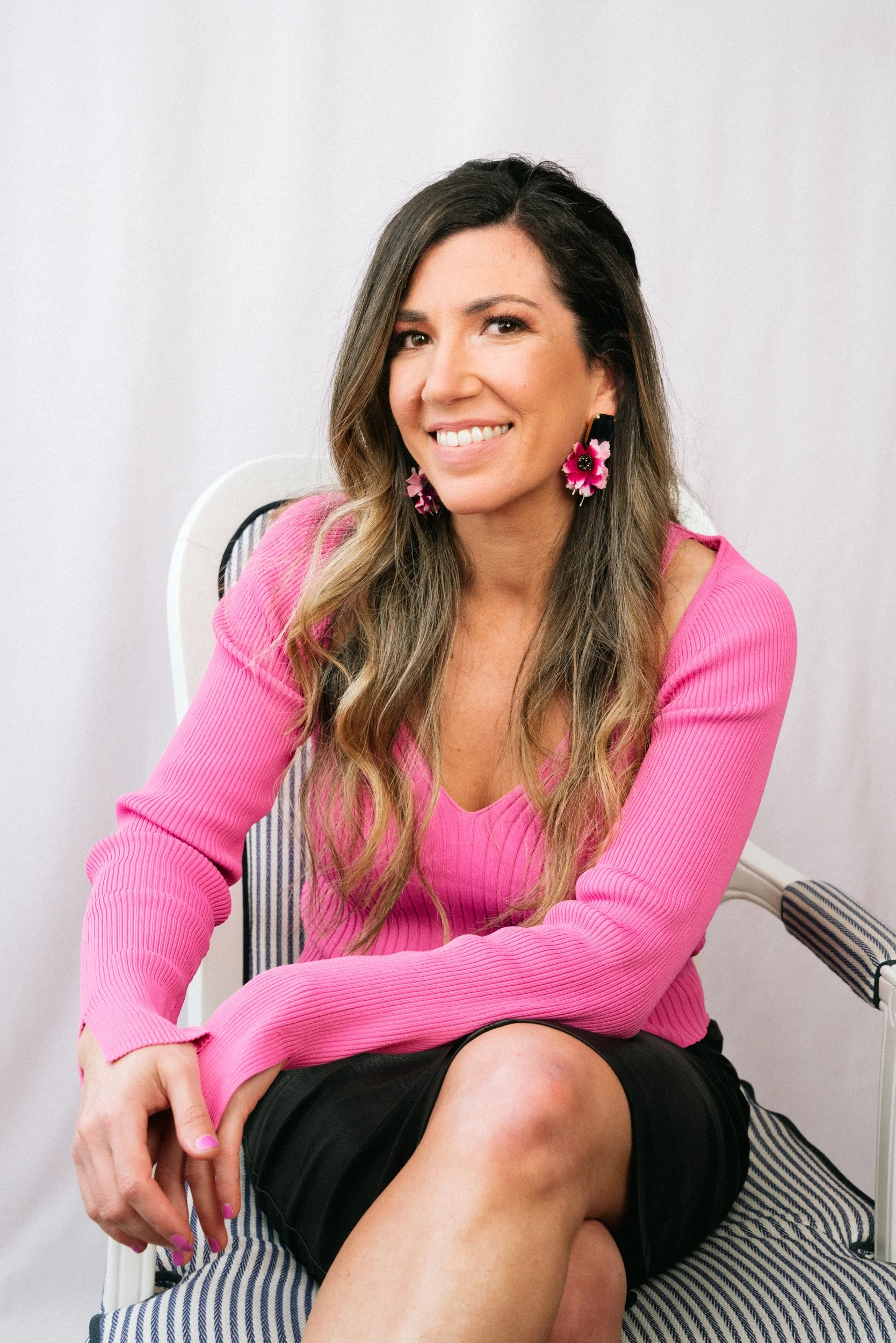
Hi, I’m Lizzy
I just wanted to find my person! But I spent ten years in the dating world decoding cryptic text messages, sabotaging real connections, and telling therapists that I was the victim.
(How dare he!)
Then I met my husband.
With him, love was hard for different reasons.
I wasn’t auditioning for a spot; we were co-creators. There was no rollercoaster; we both liked each other and wanted to be together. Which meant that instead of winning him over, I just needed to connect? And be me? … but like … which “me?” The sassy me, or the benevolent me? The clingy me, or the fiercely independent me? I was wayyy out of my comfort zone. As time went on, we had our differences, but we tried to work through them, and I was shocked that we stuck together even though our conversations got … messy.

I remember thinking:
This can’t be how other couples do it.
I knew fighting was normal (did I mention I was a full-blown couples therapist by this time?) but our fights seemed different. More chaotic, but almost too logical at the same time. The more I learned about communication and attachment styles and long-term intimacy … the worse I felt. Because the recommendations didn’t work for us. But I knew deep down that we were an amazing couple. And a lot of the lovebugs sitting on my therapy couch? Were feeling the same way. So I did what any awkward perfectionist with authority issues would do when the textbook is incomplete: I started deep-diving on other disciplines (hostage negotiation, marketing, habit psychology …) and writing new ideas in the margins.
But it was based on people with neurotypical nervous systems, white picket fence dreams, and a pre-smart-phone, pre- gestures wildly world.
I started experimenting. With Zach. With the couples I was seeing. Trying things that hadn't been studied yet, that didn't have a peer-reviewed citation. I knew from my days as a theater kid that collaboration doesn't have to mean compromise, or making yourself more palatable ... so I found ways to make space for both partners by changing the terms of the relationship.
My couples therapy training wasn’t wrong.

Around the same time, two things happened that further fueled my relationship revolution:
I got certified in EFT tapping, and started using it to figure out why I was so upset after an argument (the real reason, not the PR “9 out of 10 women would be upset about this too!” version) and to communicate in ways I could be proud of, no matter what the outcome was.
And? I found out I’m Autistic and have ADHD.
Suddenly it clicked why dating felt like playing a game that no one gave me the rules to. And I understood why the same communication tools that other people in relationships swore by … made our fights worse. And it made so much sense why couples work became my special interest in the first place.
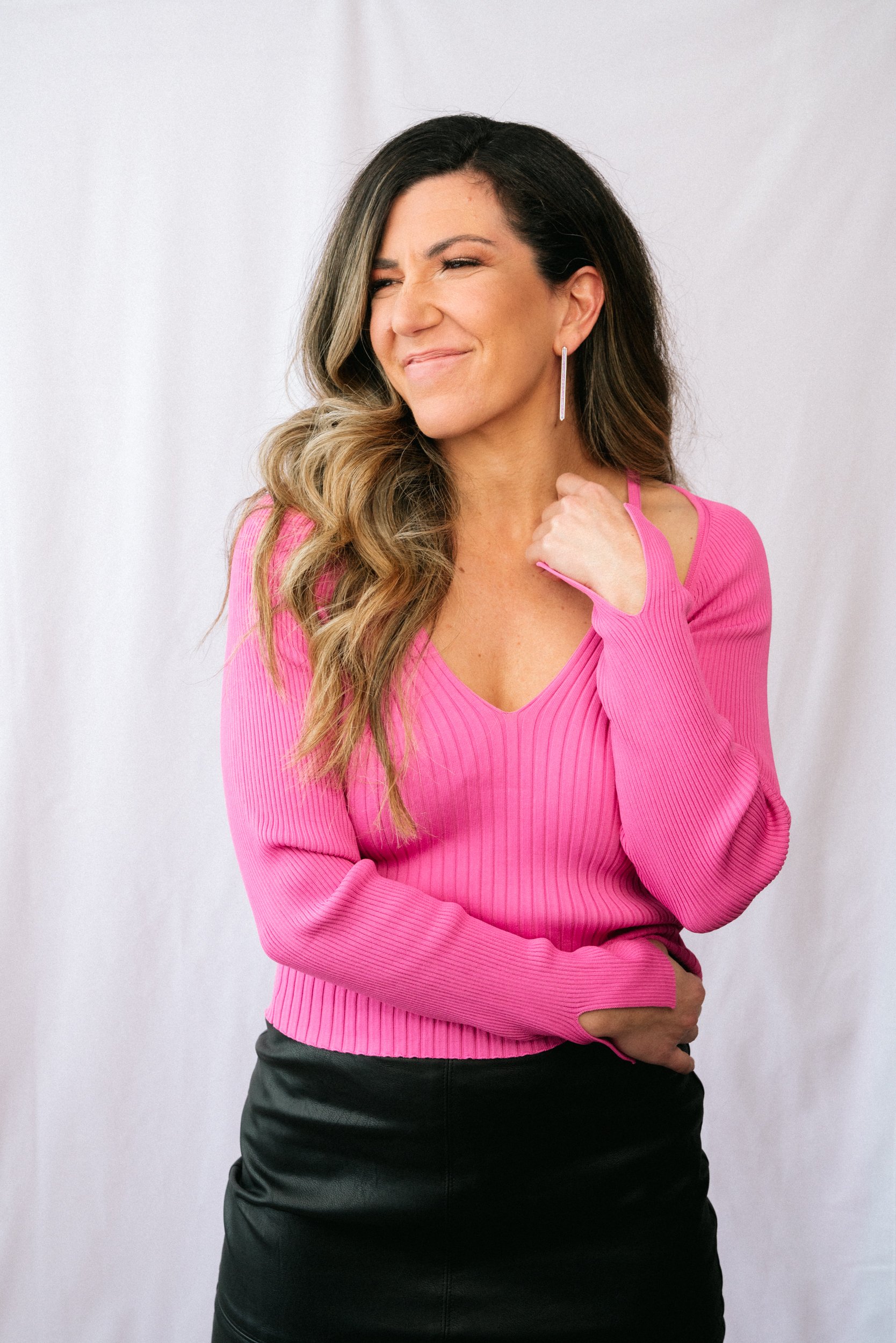
I transitioned into coaching because I wanted to use everything therapy taught me, and build on it to transform your love life. In coaching, I can share the BTS of my relationship so that you feel less alone in your challenges. I can build virtual programs that help when you’re fuming at 2am, not just debrief in a weekly appointment long after you’ve “let go” of the argument.
And because my diagnosis completely changed how I understand trust, communication, and being myself when my partner is very inconveniently also being himself, I built a framework that puts authenticity over harmony.
So you’re ready to unmask without bulldozing … if any of this sounds like your brain, your relationship, or the argument you had last Tuesday, then you’re in the right place.
Because love smarts …
but we can get smarter.
The QUirky facts
Lizzy lives in Portland, Oregon and loves book clubs, cover bands, fashion, Jeopardy, and puns. You can find her over-packing for a London trip and saying, “that’s just like what happens in relationships!” to everyone about everything.

Credibility
Licensed Marriage and Family Therapist (2015)
The Gottman Method, Level Two (2019)
EFT Tapping Certification (2022)
The Developmental Model for Couples, Advanced Training (2023)
Fundamentals of Working with Neurodiverse Couples (2026)